





Why did I choose to wear a wig during an interview?

I remember a few years ago going to an interview for a foreign company. My hair was in a terrible state. A perm had gone awry a while ago, leaving the ends frizzy like straw, and I didn't have time to cut it short, so I decided on a last-minute wig.
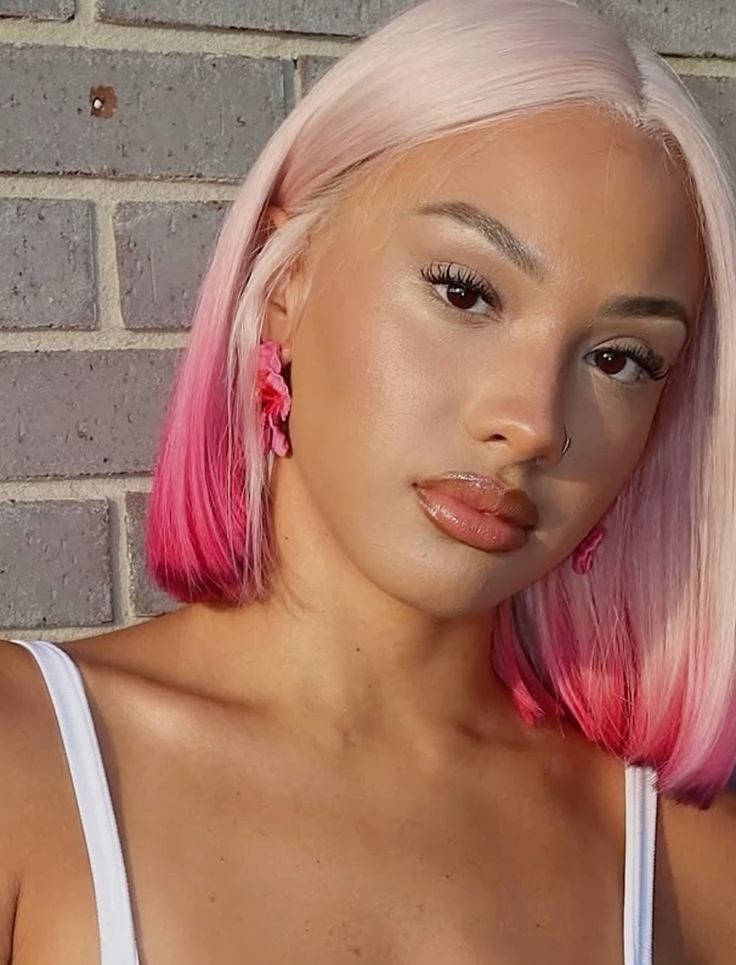
I chose a straight human hair wig in a color very close to my natural hair and tried it on several times beforehand. On the day of the interview, I woke up early, braided my hair into small, close-fitting braids, and then put the wig on. I secured it with bobby pins and used a flat iron to smooth it out for a more polished look.
During the interview, I could clearly feel a difference in my mental state. My neat hairstyle and fresh look made me speak more confidently. The interviewer repeatedly complimented me on my professionalism, and I chuckled to myself—the half wig was a big help.
I later concluded that wearing a wig for an interview has several advantages:
First, it's a quick way to change your look, especially when your hair is in a bad state. Second, you can adjust your hairstyle to suit the job requirements. For example, if you need a more professional look, choose straight hair; if you want a more approachable look, choose soft curls.
Third, you don't have to worry about frizz or oiliness affecting your appearance, making the whole process hassle-free.
However, interview wigs must be natural, preferably human hair, with a color similar to your natural hair to avoid drawing attention. I successfully passed that interview, and it made me realize that wigs are not only a fashion item, but also a "secret weapon" in the workplace.
I chose a straight human hair wig in a color very close to my natural hair and tried it on several times beforehand. On the day of the interview, I woke up early, braided my hair into small, close-fitting braids, and then put the wig on. I secured it with bobby pins and used a flat iron to smooth it out for a more polished look.
During the interview, I could clearly feel a difference in my mental state. My neat hairstyle and fresh look made me speak more confidently. The interviewer repeatedly complimented me on my professionalism, and I chuckled to myself—the half wig was a big help.
I later concluded that wearing a wig for an interview has several advantages:
First, it's a quick way to change your look, especially when your hair is in a bad state. Second, you can adjust your hairstyle to suit the job requirements. For example, if you need a more professional look, choose straight hair; if you want a more approachable look, choose soft curls.
Third, you don't have to worry about frizz or oiliness affecting your appearance, making the whole process hassle-free.
However, interview wigs must be natural, preferably human hair, with a color similar to your natural hair to avoid drawing attention. I successfully passed that interview, and it made me realize that wigs are not only a fashion item, but also a "secret weapon" in the workplace.
Share this post
Naijanetwork Forum Statistics
Threads: 38005,
Posts: 47606,
Members: 35561