





Why Create 3D Dome Cap Wig?
 Moonlight Whisperer
Posts: 163
Moonlight Whisperer
Posts: 163
In recent years, 3D dome cap wigs have become incredibly popular. Their comfort, lightweight, classic style, and snug fit have made them a favorite among women of all ages. Let's take a look at what they're made of.
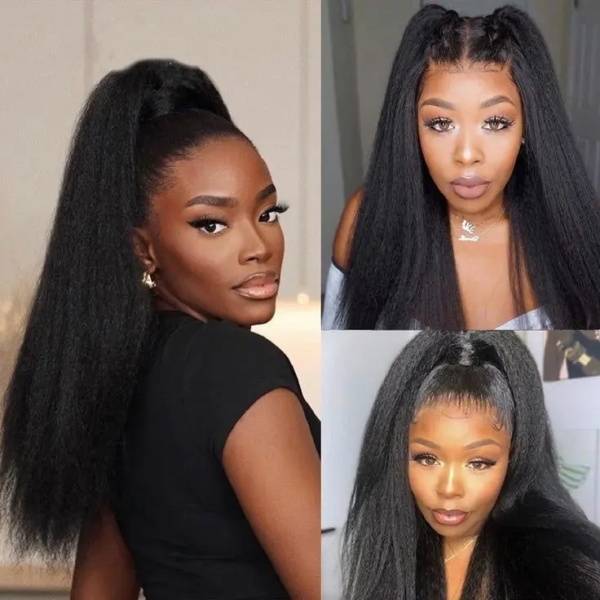
Why create 3D dome cap?
1. Fit the head shape more closely, solving the "loose/slippery" problem of traditional caps
Traditional flat wig caps are often designed with a single curved surface, which cannot fully match the three-dimensional contour of the human head (e.g., the slight bulge of the top of the head, the arc of the occipital bone). This leads to issues like loose edges, easy slipping during wear, or a "bulky" feeling on the top of the head.
The 3D dome cap is crafted by simulating the natural curvature of the human skull—its dome-shaped structure fits the top of the head snugly, and the side/back edges align with the head’s contour. This eliminates gaps between the cap and the scalp, making the wig more stable (even without glue) and avoiding the "fake wig cap outline" visible from the side.
2. Boost breathability significantly, reducing "scalp stuffiness"
Traditional flat caps often have a dense, non-elastic inner net that traps heat and moisture, especially in hot weather, causing scalp sweating, itching, or a stuffy feeling.
The 3D dome cap’s raised dome structure creates a small "air circulation space" between the cap and the scalp. Combined with breathable mesh materials (e.g., lace, lightweight nylon net), it allows air to flow freely through the cap—heat and sweat can escape quickly, while fresh air circulates in. This is a key advantage for summer wear or long-hour use (e.g., 8+ hours of daily wear).
3. Enhance the natural look of the wig, avoiding the "flat top" effect
A common flaw of traditional wigs is the "flat, rigid top"—since the cap is flat, the hair on the top of the wig lies flat, lacking the natural volume of real hair (real hair has slight fullness at the crown).
The 3D dome cap’s raised dome design provides a "natural base" for the wig hair. When hair strands are sewn onto the dome-shaped cap, the top of the wig naturally forms a soft, three-dimensional fullness (similar to the crown of real hair). This makes the wig look more realistic, especially when viewed from above or the front, avoiding the "artificial flatness" that exposes the wig.
4. Improve wearing comfort, reducing "scalp pressure"
Traditional caps often require tight elastic bands or multiple combs to fix, which can press on the scalp (e.g., the hairline, occipital area) for a long time, causing discomfort like headaches or red marks.
The 3D dome cap’s ergonomic design distributes the pressure of the wig evenly across the scalp—instead of concentrating pressure on specific points (e.g., edges), it spreads it over the entire dome area. Additionally, the soft, flexible material of the dome cap reduces friction with the scalp, making it more comfortable even for sensitive scalps or long-term wearers (e.g., people with hair loss who wear wigs daily).
5. Adapt to diverse hairstyles, supporting more natural styling
For wigs that require a "natural hairline" or "volumized top" (e.g., lace front wigs, glueless wigs), the 3D dome cap provides better styling support. Its three-dimensional structure allows the hair at the hairline to lay more naturally (without being pulled flat by a flat cap) and enables easy styling of the top hair (e.g., creating a slight lift at the crown, parting the hair freely) — something traditional flat caps struggle to achieve.
Why create 3D dome cap?
1. Fit the head shape more closely, solving the "loose/slippery" problem of traditional caps
Traditional flat wig caps are often designed with a single curved surface, which cannot fully match the three-dimensional contour of the human head (e.g., the slight bulge of the top of the head, the arc of the occipital bone). This leads to issues like loose edges, easy slipping during wear, or a "bulky" feeling on the top of the head.
The 3D dome cap is crafted by simulating the natural curvature of the human skull—its dome-shaped structure fits the top of the head snugly, and the side/back edges align with the head’s contour. This eliminates gaps between the cap and the scalp, making the wig more stable (even without glue) and avoiding the "fake wig cap outline" visible from the side.
2. Boost breathability significantly, reducing "scalp stuffiness"
Traditional flat caps often have a dense, non-elastic inner net that traps heat and moisture, especially in hot weather, causing scalp sweating, itching, or a stuffy feeling.
The 3D dome cap’s raised dome structure creates a small "air circulation space" between the cap and the scalp. Combined with breathable mesh materials (e.g., lace, lightweight nylon net), it allows air to flow freely through the cap—heat and sweat can escape quickly, while fresh air circulates in. This is a key advantage for summer wear or long-hour use (e.g., 8+ hours of daily wear).
3. Enhance the natural look of the wig, avoiding the "flat top" effect
A common flaw of traditional wigs is the "flat, rigid top"—since the cap is flat, the hair on the top of the wig lies flat, lacking the natural volume of real hair (real hair has slight fullness at the crown).
The 3D dome cap’s raised dome design provides a "natural base" for the wig hair. When hair strands are sewn onto the dome-shaped cap, the top of the wig naturally forms a soft, three-dimensional fullness (similar to the crown of real hair). This makes the wig look more realistic, especially when viewed from above or the front, avoiding the "artificial flatness" that exposes the wig.
4. Improve wearing comfort, reducing "scalp pressure"
Traditional caps often require tight elastic bands or multiple combs to fix, which can press on the scalp (e.g., the hairline, occipital area) for a long time, causing discomfort like headaches or red marks.
The 3D dome cap’s ergonomic design distributes the pressure of the wig evenly across the scalp—instead of concentrating pressure on specific points (e.g., edges), it spreads it over the entire dome area. Additionally, the soft, flexible material of the dome cap reduces friction with the scalp, making it more comfortable even for sensitive scalps or long-term wearers (e.g., people with hair loss who wear wigs daily).
5. Adapt to diverse hairstyles, supporting more natural styling
For wigs that require a "natural hairline" or "volumized top" (e.g., lace front wigs, glueless wigs), the 3D dome cap provides better styling support. Its three-dimensional structure allows the hair at the hairline to lay more naturally (without being pulled flat by a flat cap) and enables easy styling of the top hair (e.g., creating a slight lift at the crown, parting the hair freely) — something traditional flat caps struggle to achieve.
Share this post
Naijanetwork Forum Statistics
Threads: 38005,
Posts: 47606,
Members: 35543