





Why do black women wear wigs

In the world of fashion and beauty, wigs have long transcended mere concealment; they've become a crucial way to express individuality and charm. For Black women in particular, wigs have become a near-daily fixture. So, why do so many Black women choose to wear wigs?
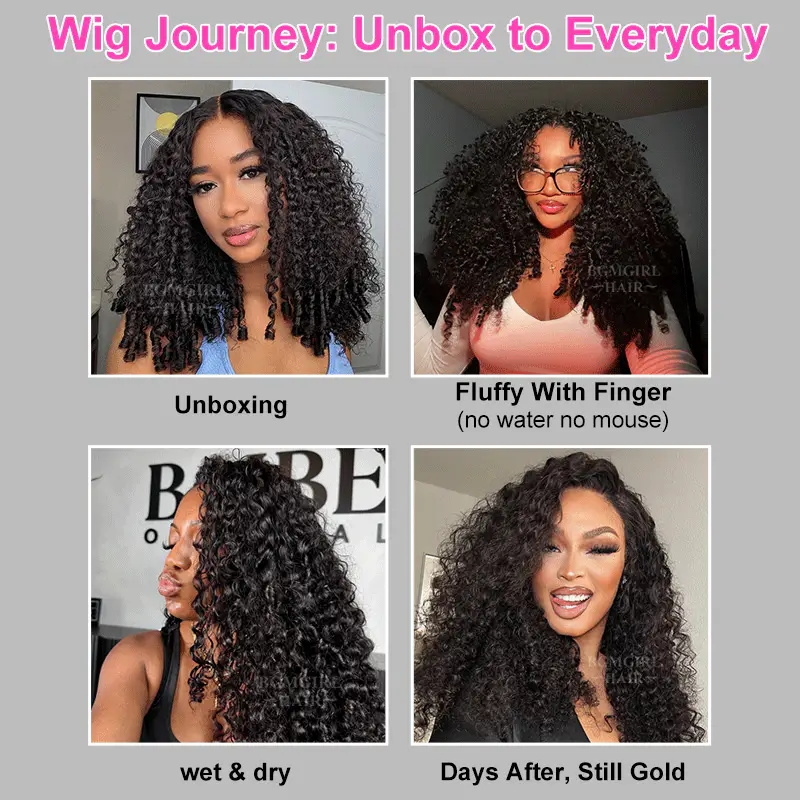
1. Protecting Natural Hair: A Labor of Love for Delicate Strands
Black women’s natural hair—characterized by tight coils, kinks, and curls—boasts inherent strength, yet it remains surprisingly delicate. Those lovely, bouncy textures demand regular moisture, gentle detangling (typically done with wide-tooth combs or even just the fingertips), and careful styling to prevent breakage. Consider this: a single wash day can stretch on for hours, starting with pre-pooing using oil, moving to deep conditioning, detangling strand by strand, and finishing with air-drying to keep the curl pattern intact. When you throw in frequent heat styling (such as using flat irons for smooth, sleek looks) or chemical treatments (like relaxers and dyes) to switch up the style, even the healthiest hair can grow dry, brittle, or more prone to split ends over time.
Wigs act as a “protective style” in the truest sense. When you slip on a wig, your natural hair stays tucked away—shielded from harsh weather (like dry winter air or humid summer heat), friction from hats or scarves, and the wear of daily styling. Many Black women use wigs to give their hair a “break” after months of braids or twists, letting their strands recover and grow without interference. It’s not about hiding their natural hair; it’s about caring for it—so when they do choose to wear it out, it’s strong, healthy, and radiant.
2. Versatile Style Needs: Change Up Your Look Without Sacrificing Hair Health
Ask any Black woman, and she’ll tell you: hairstyle goes hand in hand with mood. One day, you might want to lean into old-school glamour with long, flowing waves; the next, you’re craving the bold vibe of a short, sassy bob; and by the weekend, you’re ready to turn heads with vibrant red or honey-blonde curls. The issue? Achieving these looks with your natural hair often forces you to compromise its health—heat damage from curling irons, color that fades after regular dye jobs, or breakage from tight updos.
Wigs eliminate that trade-off. With a collection of wigs, you can go from a sleek Burmese curly wigs (perfect for a work presentation, with its full, bouncy curls that look like they just came from a high-end salon) to a cropped Afro wig (ideal for a music festival, with volume that turns heads) in 10 minutes flat. No more waiting for hair to grow out after a bad cut, no more panicking when a dye job doesn’t turn out—wigs let you experiment freely. I’ve heard friends say things like, “My wig collection is my wardrobe for my hair”—and it’s true. Whether you’re matching your wig to a party dress, a casual jeans-and-tee combo, or even a Halloween costume, the versatility means you never have to feel stuck in one look.
3. Time Saving and Convenience: Beauty That Fits a Busy Life
Let’s be real: Black women’s lives are busy. Between early mornings dropping kids off at school, back-to-back work meetings, evening workouts, and weekend family gatherings, who has hours to spend on hair? A typical styling session for natural hair—say, doing a sleek bun or defined curls—can take 1-2 hours, and that’s on a good day. When you’re rushing out the door at 7 a.m., the last thing you want is to stress about whether your edges are laid or your curls are even.
Wigs are a game-changer for busy schedules. Take wear and go glueless wigs (including wear go half half wigs and glueless lace wigs), for example—they’re designed to be put on in minutes, no glue, no pins, no hassle. You can wake up, slip it on, adjust the band for a snug fit, and be out the door with a polished look. I know a teacher friend who keeps a short, straight wig in her desk for days when she oversleeps—she calls it her “emergency beauty hack.” For nurses working 12-hour shifts, moms juggling multiple jobs, or students pulling all-nighters, wigs mean you don’t have to choose between looking put-together and keeping up with life. It’s beauty that works *with* you, not against you.
4. Expressing Individuality and Confidence: Hair as a Statement
Hair has always been a way for Black women to tell their stories. From the Afros of the Civil Rights Movement (a symbol of pride in natural beauty and resistance) to the bold braids and locs of today (a celebration of cultural heritage), hairstyle is more than just looks—it’s identity. Wigs take that expression to the next level, letting you play with who you are, or who you want to be, on any given day.
A Black woman might wear a long, jet-black wig to a job interview to feel polished and professional, then switch to a bright pink curly wig for a girls’ night out to feel fun and fearless. Another might rock a short, natural-looking wig that mimics her own hair texture when she wants to keep things low-key, then opt for a dramatic, floor-length wig for a wedding to feel like a queen. The confidence that comes with that flexibility is undeniable. As one woman put it, “When my wig looks good, I walk a little taller. It’s not about hiding—it’s about showing up as the best version of myself, whatever that version is today.”
5. Continuing Culture and Tradition: Wigs as a Link to Heritage
In African and Black communities, hair isn’t just hair—it’s a connection to ancestors, to history, and to community. For centuries, Black people have used hairstyles (like cornrows, Fulani braids, and head wraps) to signal their tribe, their status, or their beliefs. Wigs, in many ways, are a modern extension of that tradition.
Think about the way many Black women choose wigs with textures that mirror traditional styles—like kinky curly wigs that evoke the natural hair of West African communities, or braided wigs that pay homage to the intricate braiding techniques passed down through generations. Wearing these wigs isn’t just a fashion choice; it’s a way to honor where they come from. In a world that has often dismissed or policed Black hair (think of workplace policies that ban locs or Afros), wigs become a way to reclaim that cultural pride. They say, “This is who I am, and this is where I’m from—and I’m proud to show it.”
In general, Black women choose to wear wigs not for one single reason, but for a tapestry of them: the desire to protect their natural hair, the freedom to switch styles without regret, the convenience of fitting beauty into a busy life, the joy of expressing themselves boldly, and the pride of honoring their culture. For them, wigs aren’t just pieces of hair—they’re tools of self-care, symbols of freedom, and expressions of identity. They’re a way to say, “I get to decide how I look, how I feel, and how I show up in the world—and that’s a power no one can take away.”
1. Protecting Natural Hair: A Labor of Love for Delicate Strands
Black women’s natural hair—characterized by tight coils, kinks, and curls—boasts inherent strength, yet it remains surprisingly delicate. Those lovely, bouncy textures demand regular moisture, gentle detangling (typically done with wide-tooth combs or even just the fingertips), and careful styling to prevent breakage. Consider this: a single wash day can stretch on for hours, starting with pre-pooing using oil, moving to deep conditioning, detangling strand by strand, and finishing with air-drying to keep the curl pattern intact. When you throw in frequent heat styling (such as using flat irons for smooth, sleek looks) or chemical treatments (like relaxers and dyes) to switch up the style, even the healthiest hair can grow dry, brittle, or more prone to split ends over time.
Wigs act as a “protective style” in the truest sense. When you slip on a wig, your natural hair stays tucked away—shielded from harsh weather (like dry winter air or humid summer heat), friction from hats or scarves, and the wear of daily styling. Many Black women use wigs to give their hair a “break” after months of braids or twists, letting their strands recover and grow without interference. It’s not about hiding their natural hair; it’s about caring for it—so when they do choose to wear it out, it’s strong, healthy, and radiant.
2. Versatile Style Needs: Change Up Your Look Without Sacrificing Hair Health
Ask any Black woman, and she’ll tell you: hairstyle goes hand in hand with mood. One day, you might want to lean into old-school glamour with long, flowing waves; the next, you’re craving the bold vibe of a short, sassy bob; and by the weekend, you’re ready to turn heads with vibrant red or honey-blonde curls. The issue? Achieving these looks with your natural hair often forces you to compromise its health—heat damage from curling irons, color that fades after regular dye jobs, or breakage from tight updos.
Wigs eliminate that trade-off. With a collection of wigs, you can go from a sleek Burmese curly wigs (perfect for a work presentation, with its full, bouncy curls that look like they just came from a high-end salon) to a cropped Afro wig (ideal for a music festival, with volume that turns heads) in 10 minutes flat. No more waiting for hair to grow out after a bad cut, no more panicking when a dye job doesn’t turn out—wigs let you experiment freely. I’ve heard friends say things like, “My wig collection is my wardrobe for my hair”—and it’s true. Whether you’re matching your wig to a party dress, a casual jeans-and-tee combo, or even a Halloween costume, the versatility means you never have to feel stuck in one look.
3. Time Saving and Convenience: Beauty That Fits a Busy Life
Let’s be real: Black women’s lives are busy. Between early mornings dropping kids off at school, back-to-back work meetings, evening workouts, and weekend family gatherings, who has hours to spend on hair? A typical styling session for natural hair—say, doing a sleek bun or defined curls—can take 1-2 hours, and that’s on a good day. When you’re rushing out the door at 7 a.m., the last thing you want is to stress about whether your edges are laid or your curls are even.
Wigs are a game-changer for busy schedules. Take wear and go glueless wigs (including wear go half half wigs and glueless lace wigs), for example—they’re designed to be put on in minutes, no glue, no pins, no hassle. You can wake up, slip it on, adjust the band for a snug fit, and be out the door with a polished look. I know a teacher friend who keeps a short, straight wig in her desk for days when she oversleeps—she calls it her “emergency beauty hack.” For nurses working 12-hour shifts, moms juggling multiple jobs, or students pulling all-nighters, wigs mean you don’t have to choose between looking put-together and keeping up with life. It’s beauty that works *with* you, not against you.
4. Expressing Individuality and Confidence: Hair as a Statement
Hair has always been a way for Black women to tell their stories. From the Afros of the Civil Rights Movement (a symbol of pride in natural beauty and resistance) to the bold braids and locs of today (a celebration of cultural heritage), hairstyle is more than just looks—it’s identity. Wigs take that expression to the next level, letting you play with who you are, or who you want to be, on any given day.
A Black woman might wear a long, jet-black wig to a job interview to feel polished and professional, then switch to a bright pink curly wig for a girls’ night out to feel fun and fearless. Another might rock a short, natural-looking wig that mimics her own hair texture when she wants to keep things low-key, then opt for a dramatic, floor-length wig for a wedding to feel like a queen. The confidence that comes with that flexibility is undeniable. As one woman put it, “When my wig looks good, I walk a little taller. It’s not about hiding—it’s about showing up as the best version of myself, whatever that version is today.”
5. Continuing Culture and Tradition: Wigs as a Link to Heritage
In African and Black communities, hair isn’t just hair—it’s a connection to ancestors, to history, and to community. For centuries, Black people have used hairstyles (like cornrows, Fulani braids, and head wraps) to signal their tribe, their status, or their beliefs. Wigs, in many ways, are a modern extension of that tradition.
Think about the way many Black women choose wigs with textures that mirror traditional styles—like kinky curly wigs that evoke the natural hair of West African communities, or braided wigs that pay homage to the intricate braiding techniques passed down through generations. Wearing these wigs isn’t just a fashion choice; it’s a way to honor where they come from. In a world that has often dismissed or policed Black hair (think of workplace policies that ban locs or Afros), wigs become a way to reclaim that cultural pride. They say, “This is who I am, and this is where I’m from—and I’m proud to show it.”
In general, Black women choose to wear wigs not for one single reason, but for a tapestry of them: the desire to protect their natural hair, the freedom to switch styles without regret, the convenience of fitting beauty into a busy life, the joy of expressing themselves boldly, and the pride of honoring their culture. For them, wigs aren’t just pieces of hair—they’re tools of self-care, symbols of freedom, and expressions of identity. They’re a way to say, “I get to decide how I look, how I feel, and how I show up in the world—and that’s a power no one can take away.”
Share this post
Naijanetwork Forum Statistics
Threads: 38005,
Posts: 47606,
Members: 35629