





Top 10 Fintech Apps Revolutionizing Personal Finance in 2025
 aartijangid
Posts: 64
aartijangid
Posts: 64
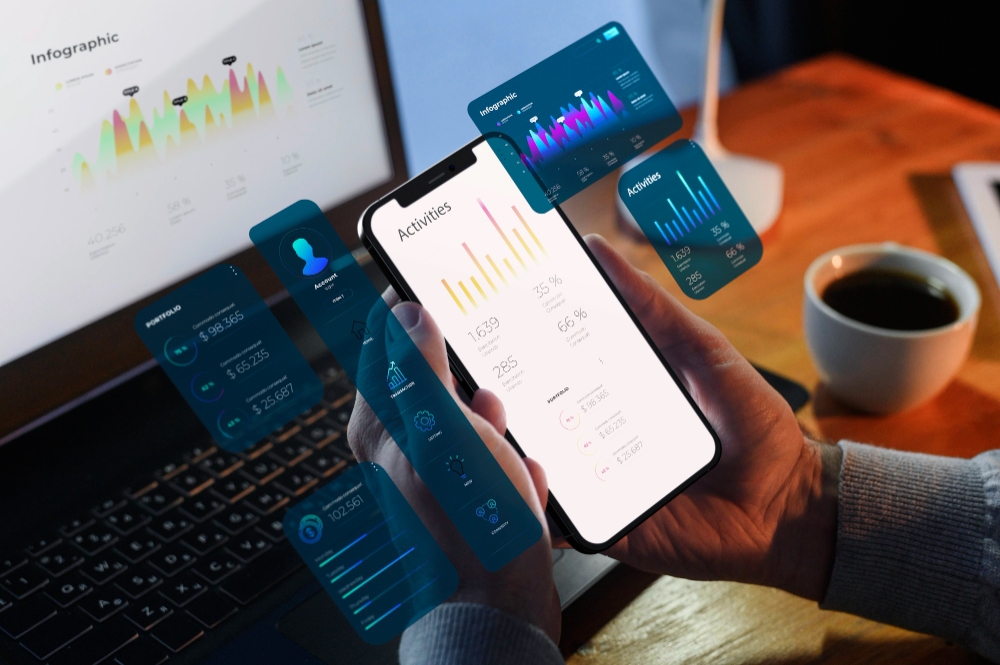
The way people manage their money has undergone a radical evolution. In 2025, fintech apps are no longer just tools for tracking spending—they’re proactive financial coaches, investment platforms, and all-in-one life partners for your wallet. Below are the ten fintech apps making the biggest splash this year in personal finance, transforming how we save, invest, budget, and grow our wealth.
1. Revolut
Revolut has progressively become what many call a “financial super-app.” It allows multi-currency accounts with real-time exchange, commission-free stock and crypto trading, savings vaults, and AI-powered insights into spending patterns. Its ability to integrate travel perks, budgeting tools, and automated analytics has made it a go-to for professionals with international exposure.
2. Chime
Chime continues to appeal to those looking for simplicity in banking. With no monthly fees, early direct deposits, automatic savings, and tools for credit building, it’s especially popular among students, gig workers, and first-time account holders. In 2025, Chime unveiled even more functionality around financial coaching, helping users avoid common pitfalls and steer their financial lives more confidently.
3. YNAB (You Need A Budget)
YNAB isn’t just an app—it’s a budgeting philosophy. It features “zero-based budgeting,” which means each dollar has a job, helps users craft detailed budgets, monitor debts, and visualize progress. The real-time syncing across devices and goal tracking features have elevated its utility, especially for those who need discipline and structure in their financial lives.
4. Acorns
For users who want to let money work in the background without much effort, Acorns stands out. It rounds up everyday purchases and invests the spare change into diversified portfolios. Its 2025 enhancements include expanded retirement account options, family plan features, and tools to help gig economy workers build savings automatically.
5. Monzo
Originally a UK-based challenger bank, Monzo has grown well beyond basic banking. With real-time spending alerts, bill splitting, savings goals, transparent fees, and in-app insights that anticipate shortfalls, Monzo is increasingly seen as a reliable partner in managing everyday finances. For people with multiple income streams or cross-border needs, Monzo's features are especially helpful.
6. Robinhood
What began as a commission-free trading service has blossomed into a fuller finance platform. Robinhood now offers high-yield savings accounts, automated ETF portfolios, recurring investment options, and easier access to both crypto and traditional assets. For many beginning investors who want low fees and simplicity, Robinhood continues to hit the sweet spot.
7. Stash
Stash blends investing, banking, and financial education. It targets users with smaller amounts to invest, offering fractional shares, curated guidance, and built-in investment advice. In 2025, its learning modules and AI-driven financial lessons have helped to demystify investing for beginners.
8. Wealthfront
Wealthfront continues to make waves in automated investment management. With robo-advisor tools, tax-loss harvesting, personalized financial planning, and competitive fees, it’s a strong choice for people focused on long-term wealth growth. Its cash accounts and interface enhancements make wealth tracking more intuitive than ever.
9. Rocket Money (formerly Truebill)
Subscription fatigue is real, and Rocket Money helps users take control. From tracking subscriptions, canceling unnecessary ones, negotiating bills, to giving alerts on upcoming payments, this app saves money by helping users identify waste. It’s ideal for anyone who wants their finances leaner and more intentional.
10. ET Money
Among fintech apps in India, ET Money is a standout for its breadth and usability. Beyond tracking spending, it offers mutual funds, SIPs, insurance, fixed deposits, and pension schemes. It’s helping users manage risk and seek returns in ways that used to require multiple apps or financial advisors.
What’s Driving the Revolution
Several trends underpin how these apps are reshaping personal finance:
AI & Predictive Analytics: Apps are not just reactive but predictive—anticipating user needs, warning before over-spending, forecasting savings shortfalls, and even advising investment moves.
Personalization: Tools adapt to lifestyle, income patterns, and financial goals. What works for a student differs from what works for the freelancer or family earner.
All-in-One Platforms: Instead of juggling a bank app, a budgeting tool, a crypto wallet, and an investment platform, users increasingly prefer one place that does it all.
Financial Inclusion & Accessibility: Low fees, simplified UIs, and services tailored to underserved populations (young workers, gig economy, underbanked) are broadening who can use these tools.
From a development standpoint, the boom in finance app development and finance mobile app development reflects the high demand. Fintech companies and startups are seeking fintech application development services to build robust, secure, and future-ready platforms. These services often include integrations like open banking APIs, stronger security protocols, compliance with regulations, and seamless UX designs.
What Users Should Look for in 2025
If you’re choosing a fintech app for your personal finance, here are key features to prioritize:
Security & Trust: Encryption, multi-factor authentication, transparent privacy policies.
Budgeting & Tracking: Real-time visibility into spending, ability to categorize expenses automatically.
Savings & Investing Automation: Tools that allow passive saving/investing, whether via rounding up, recurring contributions, or robo-investing.
Goal-Oriented Features: Whether it’s saving for a house, paying down debt, or building retirement funds, having goal tracking helps.
Low or Transparent Costs: Hidden fees undermine trust—apps that are clear about what you pay, if anything, gain loyalty.
The Road Ahead
Looking forward, there are a few changes to watch:
More AI & ML in assisting not just with insights, but with predictive financial planning, fraud detection, anomaly alerts, and richer user advisory.
Greater use of blockchain and DeFi components for users wanting more control, especially in global or crypto contexts.
Embedded financial wellness: apps tying financial health to overall wellness—considering stress, behavior, mental health in financial planning.
Regulatory evolution: As fintechs take on more responsibilities (lending, investing, etc.), regulations will catch up, impacting how features roll out globally.
Conclusion
2025 is proving to be a milestone year for personal finance via fintech. The apps above are not just changing what tools people use—they’re changing how people think about money. From budgeting and banking to investing and financial wellness, these platforms are making personal finance smarter, more accessible, and more tailored than ever.
If you’re looking to regain control of your financial life, these are the apps to try—but also remember: the best app is the one that aligns with your goals, habits, and values. Keep an eye on ease of use, cost, security, and whether the platform evolves with you. The fintech revolution is here—and it’s empowering everyone to manage money with greater autonomy and insight.
Share this post
Naijanetwork Forum Statistics
Threads: 38005,
Posts: 47606,
Members: 35543
Comments