





The Role of IoT in Smart Healthcare Applications
 aartij
Posts: 39
aartij
Posts: 39
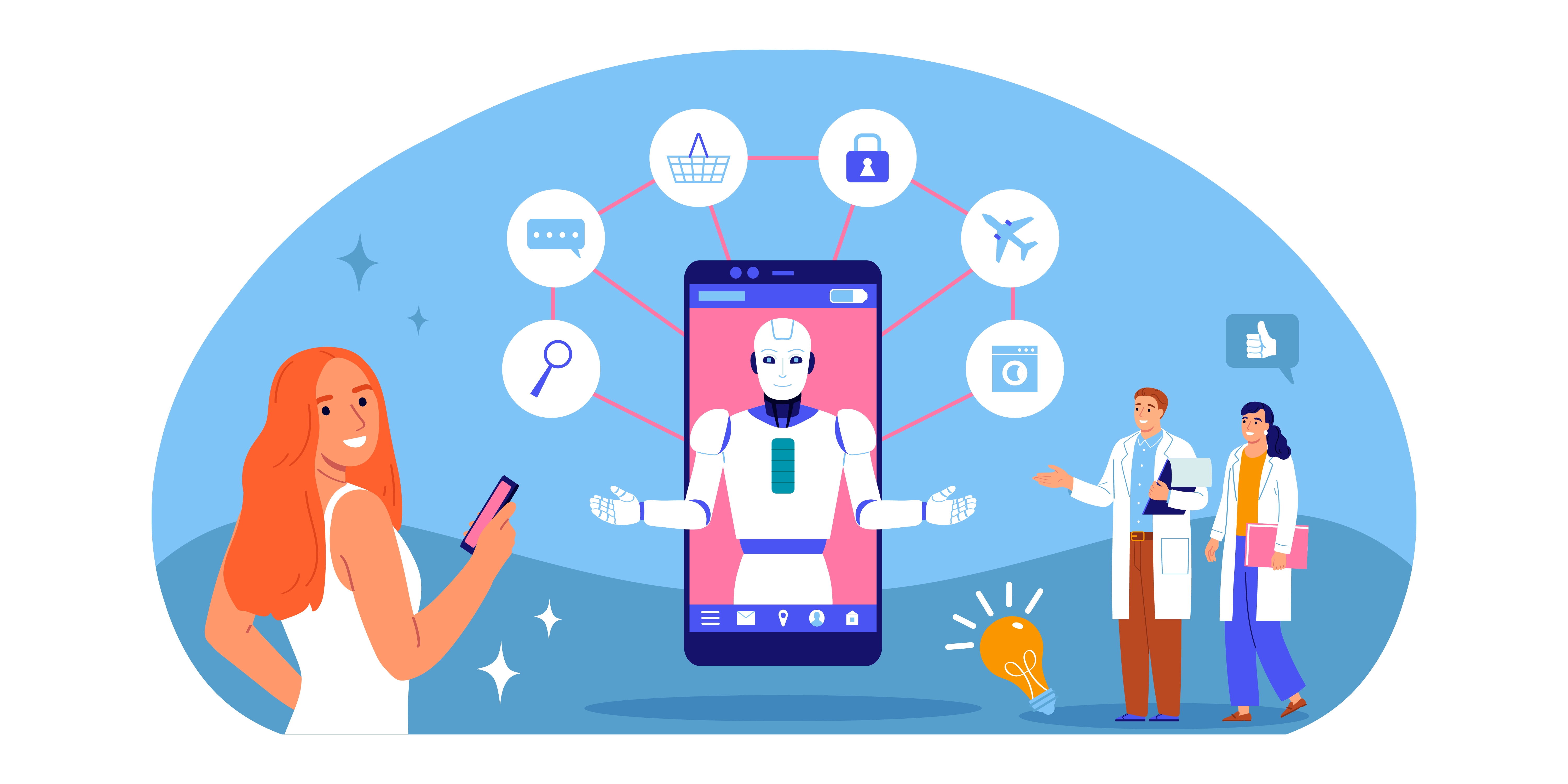
In today’s technology-driven world, healthcare is experiencing a digital transformation like never before. The Internet of Things (IoT) has become a cornerstone of innovation, bridging the gap between patients and healthcare providers. From wearable fitness trackers to advanced medical devices that share real-time data, IoT is reshaping the way care is delivered and managed. This interconnected ecosystem of devices, data, and analytics is redefining healthcare accessibility, efficiency, and patient outcomes on a global scale.
Understanding IoT in Healthcare
IoT, or the Internet of Things, refers to a network of connected devices that communicate and exchange information through the internet. In healthcare, this translates into an ecosystem where smart sensors, wearables, and medical devices collect and transmit health-related data to systems or professionals who can analyze and act upon it.
IoT-powered healthcare applications enable continuous monitoring of patients, predictive analysis of diseases, and automated workflows in hospitals. These systems make healthcare more patient-centric, proactive, and data-driven — shifting from reactive treatments to preventive care.
How IoT is Transforming Healthcare Delivery
The introduction of IoT has revolutionized traditional healthcare models by enhancing the accuracy of diagnosis, improving patient engagement, and optimizing hospital operations. Some key areas where IoT is making a major impact include:
1. Remote Patient Monitoring
Remote patient monitoring (RPM) allows doctors to track a patient’s vital signs such as heart rate, blood pressure, oxygen levels, and glucose levels through connected devices. This eliminates the need for frequent hospital visits, especially for patients with chronic conditions. Data collected from these devices is transmitted securely to healthcare professionals who can make informed decisions or intervene promptly in case of anomalies.
2. Smart Wearable Devices
Smart wearables like fitness trackers, smartwatches, and biosensors are some of the most common IoT devices in healthcare. They monitor daily activities, sleep cycles, heart rate, and calories burned — providing valuable insights into a person’s health and lifestyle. Beyond general fitness, medical-grade wearables are now being used to monitor diseases such as diabetes or cardiovascular conditions, giving patients real-time feedback to manage their health effectively.
3. Hospital Asset and Equipment Tracking
In large healthcare facilities, managing equipment and ensuring its timely maintenance is crucial. IoT-based tracking systems use sensors and RFID tags to monitor the location, usage, and condition of critical assets like wheelchairs, ventilators, and diagnostic tools. This helps hospitals reduce equipment loss, ensure availability, and improve operational efficiency.
4. Smart Medication Management
IoT-enabled smart pill bottles and dispensers remind patients to take their medications on time and alert caregivers or doctors if doses are missed. Such automation ensures better medication adherence, especially for elderly patients or those managing multiple prescriptions.
5. Predictive Maintenance for Medical Equipment
IoT can also be applied to predict when medical equipment might fail or require maintenance. By analyzing data from connected sensors, hospitals can address issues before they escalate, reducing downtime and ensuring smooth clinical operations.
Benefits of IoT in Smart Healthcare Applications
The adoption of IoT in healthcare brings a multitude of advantages for both providers and patients.
1. Enhanced Patient Care
Continuous data monitoring provides healthcare providers with up-to-date insights into a patient’s condition. This enables timely intervention, reducing the risk of complications and hospital readmissions.
2. Improved Operational Efficiency
IoT automates administrative and logistical processes, allowing healthcare workers to focus more on patient care. Real-time tracking and analytics optimize workflows, improve resource allocation, and reduce inefficiencies.
3. Cost Reduction
By minimizing hospital stays, avoiding unnecessary tests, and enabling early disease detection, IoT helps reduce overall healthcare costs for both patients and institutions.
4. Data-Driven Decision Making
Massive amounts of health data generated by IoT devices can be analyzed using AI and big data analytics. This helps healthcare professionals predict health trends, understand patient behavior, and make evidence-based decisions.
5. Personalized Healthcare
IoT facilitates personalized treatment plans by analyzing individual health metrics and medical histories. Patients can receive customized recommendations, improving outcomes and satisfaction.
Challenges in Implementing IoT in Healthcare
While IoT offers immense potential, it also presents certain challenges that healthcare organizations must address to ensure successful implementation.
1. Data Security and Privacy
Healthcare data is extremely sensitive, and with numerous devices connected to networks, the risk of data breaches increases. Ensuring end-to-end encryption, secure authentication, and compliance with regulations like HIPAA is essential to safeguard patient information.
2. Interoperability Issues
Many IoT devices come from different manufacturers and use varied data formats. Lack of standardization can lead to difficulties in integrating data across systems, affecting efficiency and accuracy.
3. High Implementation Costs
Setting up IoT infrastructure involves significant costs in terms of hardware, connectivity, and data management. Smaller healthcare providers may find it challenging to adopt such solutions without external support or partnerships.
4. Data Overload
While continuous data generation is beneficial, it can also overwhelm healthcare professionals if not properly filtered and analyzed. Effective use of analytics and AI tools is essential to derive meaningful insights from raw data.
The Future of IoT in Smart Healthcare
The future of IoT in healthcare looks incredibly promising. As 5G networks become more prevalent, real-time data transfer will become faster and more reliable. This will pave the way for advanced remote surgeries, telemedicine, and AI-powered diagnostics.
Additionally, the integration of IoT with emerging technologies such as blockchain will enhance data security, while machine learning will enable predictive healthcare models. Hospitals will evolve into smart ecosystems where every process — from patient monitoring to asset management — is connected, efficient, and intelligent.
Conclusion
The Internet of Things has opened new frontiers in modern healthcare by fostering connectivity, automation, and real-time insights. It empowers doctors with accurate data, patients with better self-care tools, and institutions with efficient operations. As technology continues to evolve, IoT will remain a key pillar of smart healthcare innovation — bridging the gap between human intelligence and machine precision.
Partnering with a reliable Healthcare Software Development Company can help healthcare institutions harness the full potential of IoT for better patient outcomes. A Custom Healthcare Software Development Company can further tailor these solutions to align with specific medical needs, ensuring seamless integration, security, and scalability in the digital health ecosystem.
Share this post
Naijanetwork Forum Statistics
Threads: 38005,
Posts: 47606,
Members: 35548