





Building a Scalable FinTech App: Key Architecture Considerations
 aartijangid
Posts: 64
aartijangid
Posts: 64
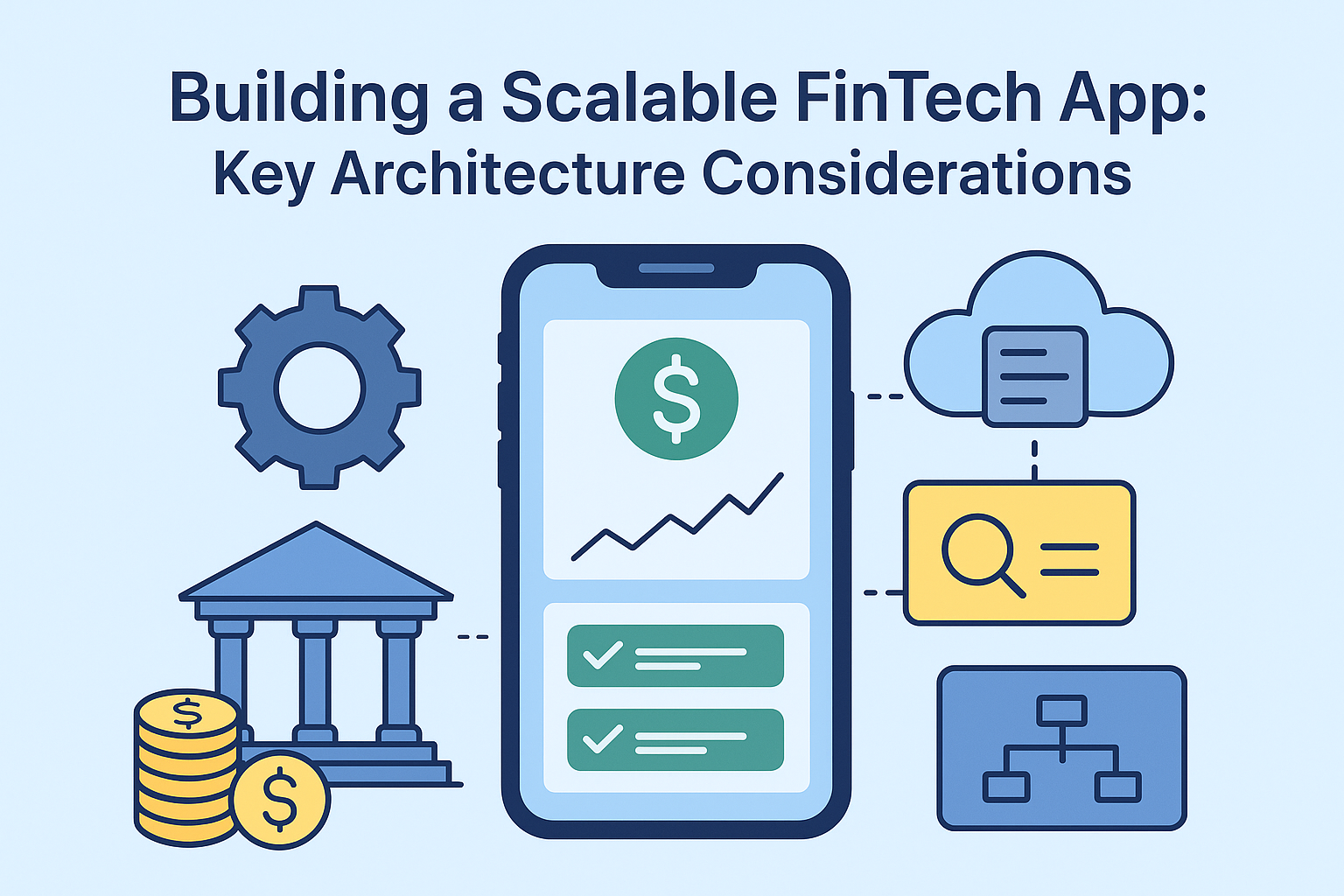
The financial technology landscape is evolving faster than ever, driven by rising customer expectations, real-time digital transactions, and innovative business models. Whether you're creating a mobile banking solution, an investment platform, or a digital payments system, one factor determines sustainability more than anything else: scalability. A scalable fintech application ensures your product remains fast, secure, and reliable as your user base grows. Building such an app requires careful architectural planning, forward-thinking engineering decisions, and a deep understanding of how financial systems interact.
At its core, scalability is about handling growth—more users, more data, and more complex transactions—without compromising performance. Many early-stage fintech startups struggle because they quickly hit architectural limits, forcing expensive reengineering efforts later. A well-designed system anticipates future demands and builds in enough flexibility to evolve. This includes choosing the right infrastructure, implementing adaptable data models, and ensuring seamless integration with third-party systems.
One crucial component of this planning involves understanding modern fintech application development, which goes far beyond writing code. It requires aligning technology choices with regulatory requirements, user-experience goals, and long-term product vision. The decisions made during the architectural phase—such as adopting microservices or defining data workflows—set the tone for how efficiently the platform will operate. This makes it essential to prioritize scalability from day one rather than trying to retrofit it later.
A robust fintech architecture typically begins with an API-first mindset. APIs enable modularity and improved interoperability, allowing you to integrate with payment gateways, KYC/AML services, credit bureaus, blockchain networks, and core banking platforms. With open banking becoming the norm in many regions, the ability to plug into external systems securely and efficiently is non-negotiable. By using RESTful or GraphQL APIs along with proper authentication mechanisms like OAuth 2.0 or JWTs, you ensure that every component of your system is modular and easy to scale independently.
Another pillar of scalability is the adoption of microservices. Instead of building a monolithic application that becomes increasingly difficult to maintain, microservices divide the system into independent functional units. Each microservice handles a specific domain—user accounts, transactions, risk scoring, notifications—and can be modified or scaled without affecting the entire platform. Kubernetes and container-based infrastructure make deploying these services more efficient and support automatic scaling based on traffic patterns.
Security and compliance also play a pivotal role in shaping fintech architecture. Financial apps must follow strict regulatory frameworks, including PCI-DSS, SOC 2, GDPR, PSD2, and various local financial regulations. Each compliance requirement comes with architectural consequences, such as how you store logs, encrypt data, or manage user authentication. Tokenization, end-to-end encryption, and secure secret management should be incorporated early in the design process. Ensuring these systems are scalable means implementing tools that can handle greater loads without exposing vulnerabilities.
As your user base grows, data management becomes another critical area. FinTech apps typically handle high-velocity data—transaction streams, identity checks, fraud detection analytics, and more. This requires choosing databases optimized for your workload. SQL databases like PostgreSQL are ideal for transactional accuracy, while NoSQL solutions such as MongoDB or Cassandra support high-volume, flexible data models. A hybrid approach often works best, and adding caching layers like Redis ensures consistently fast performance even under heavy loads.
In the middle of your architecture roadmap, it’s important to evaluate whether your chosen technology stack can easily support modern ServiceNow Platform Implementation services. These services—ranging from digital onboarding to payment orchestration and risk analytics—often introduce additional layers of complexity. For example, an AI-driven fraud detection module may require real-time data ingestion and machine learning pipelines. Similarly, supporting international transactions may require integrations with multiple regulatory APIs. Ensuring your architecture can gracefully support these enhancements without system-wide disruption is essential.
High availability is another cornerstone of scalable fintech platforms. Downtime is not an option in financial services, where even a brief outage can lead to lost revenue, damaged trust, or legal implications. Achieving high availability involves implementing redundancy across all layers, from servers to databases. Load balancers, multi-zone cloud deployments, and automated failover systems ensure uninterrupted access. Continuous monitoring tools and observability frameworks further help detect performance issues before they escalate.
Equally important is user experience. Scalability is not only about backend robustness—it also influences how smooth and responsive the application feels. FinTech users expect instantaneous updates, real-time notifications, and minimal friction during critical operations like transfers or verifications. Front-end architecture should complement the backend through efficient state management, optimized rendering, and asynchronous data handling. Progressive Web Apps (PWAs), cross-platform frameworks, and thoughtful UI design help keep the interface responsive even as data loads increase.
Finally, collaboration between engineering, product, and compliance stakeholders ensures that scalability considerations align with business goals. Regular architectural reviews, load testing, and documentation keep the system adaptable and future-ready. As financial technologies continue to expand into areas like digital identity, decentralized finance, and embedded finance, building adaptable systems today ensures competitiveness tomorrow.
In conclusion, building a scalable fintech app is not just a technical challenge—it’s a long-term strategic investment. Thoughtful architecture enables your product to grow, evolve, and withstand rising demands while delivering secure, fast, and satisfying user experiences. As businesses seek sustained innovation and functionality, partnering with a reliable finance app development company becomes essential for navigating complexity and achieving scalable success in the dynamic world of financial technology.
Share this post
Naijanetwork Forum Statistics
Threads: 38005,
Posts: 47606,
Members: 35566