





Future Trends in Courier Delivery App Development
 aartijangid
Posts: 64
aartijangid
Posts: 64
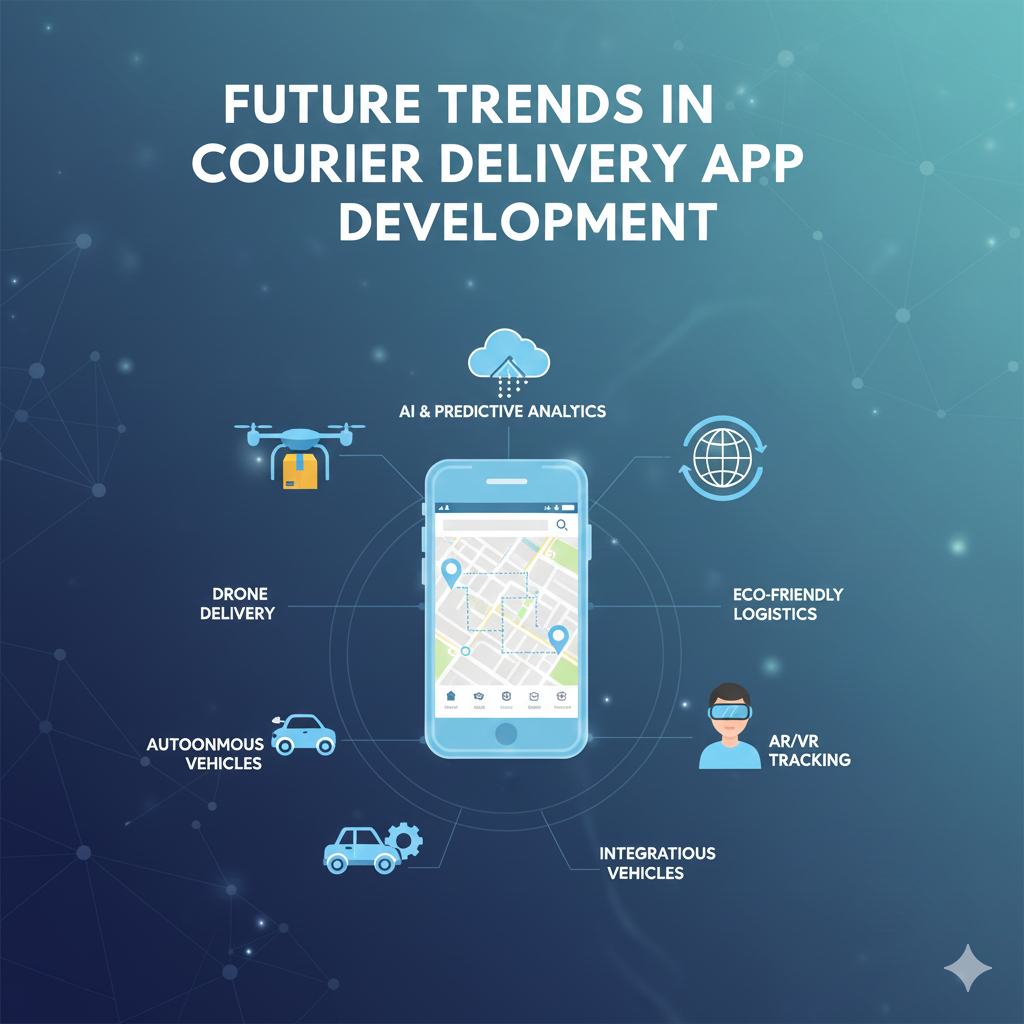
The courier and logistics industry has transformed dramatically over the past decade, driven by advances in technology, the rise of eCommerce, and a growing expectation for fast, efficient, and transparent delivery services. As businesses continue to prioritize customer convenience and operational efficiency, courier delivery apps have become central to meeting modern demands. Looking ahead, several major trends are poised to redefine how these apps are built, optimized, and scaled. Understanding these future developments is essential for companies investing in the next generation of Courier Delivery App Development.
1. AI-Powered Smart Routing and Automated Logistics
Artificial Intelligence is set to become one of the most impactful technologies in the courier delivery sector. Future apps will increasingly rely on AI algorithms to analyze real-time traffic data, road conditions, weather patterns, and historical delivery performance. These intelligent systems will optimize routes for drivers, reduce travel time, and decrease fuel consumption.
Machine learning models will also support automated logistics by predicting order volumes, forecasting delivery times, and enhancing warehouse operations. With AI-driven predictions, businesses can reduce delays, minimize operational costs, and improve customer satisfaction.
2. Expansion of Drone and Autonomous Vehicle Deliveries
Drones and autonomous vehicles are quickly moving from concept to reality. While still facing regulatory and logistical challenges, the long-term potential of these technologies is undeniable. Automated delivery units will play a major role in the future of urban logistics, especially for short-distance or express deliveries.
Courier delivery apps of the future will integrate drone dispatching systems, air-traffic management tools, and geofencing features. This will allow seamless coordination between human drivers and autonomous fleets. As governments adapt regulations, this trend will greatly increase delivery speed, particularly in densely populated areas.
3. Hyperlocal On-Demand Delivery
The demand for ultra-fast, hyperlocal delivery continues to rise. Customers expect groceries, medicines, and essential products delivered within minutes. To meet this expectation, future courier apps will rely heavily on micro-fulfillment centers, localized warehouses, and distributed inventory networks.
Developers will focus on advanced order-matching systems that identify the closest available courier or delivery partner. Real-time inventory tracking and dynamic delivery pricing will also be integrated to ensure maximum efficiency. This shift toward hyperlocal services will reshape how small businesses, restaurants, and eCommerce retailers manage their delivery operations.
4. Blockchain for Transparency and Secure Tracking
Blockchain technology is emerging as a significant tool for secure and transparent transaction management. In courier delivery systems, blockchain can ensure tamper-proof tracking of packages from dispatch to delivery. Every stage of the journey can be recorded in a decentralized ledger, reducing the risk of fraud or delivery disputes.
Smart contracts will also play an important role. These self-executing contracts can automate payments, confirmations, and compliance checks. For enterprises handling sensitive or high-value shipments, blockchain offers unmatched transparency and security.
5. Sustainable and Green Delivery Solutions
As environmental concerns gain global attention, sustainable logistics will be a central trend in the future. Courier apps will incorporate carbon footprint tracking, eco-friendly route optimization, and electric vehicle (EV) fleet management. Delivery companies may offer “green delivery” options, allowing customers to choose environmentally responsible modes of transportation.
Apps will also support EV integration with real-time battery monitoring, charging station mapping, and optimized paths that reduce energy consumption. Sustainability will not only benefit the planet but also help companies reduce operational costs in the long term.
6. Enhanced Customer Experience Through Personalization
Personalization will be a key differentiator in future courier delivery apps. Data analytics will allow apps to understand user behaviors, preferences, and delivery patterns. As a result, apps will offer personalized delivery windows, loyalty programs, and flexible subscription plans for frequent users.
Real-time delivery tracking will evolve with immersive features such as augmented reality navigation, interactive maps, and voice-enabled updates. Customers will also see improved communication systems, including automated chat assistants for resolving delivery issues instantly.
7. Integration of Wearable Devices and IoT Sensors
The Internet of Things (IoT) will play a major role in improving delivery accuracy, monitoring package conditions, and maintaining driver safety. Sensors embedded in packages can measure temperature, humidity, and handling conditions—critical for medical supplies, perishables, or fragile items.
Wearable devices for drivers will track fatigue levels, health metrics, and movement patterns to ensure safer delivery operations. Future courier apps will integrate IoT dashboards that provide companies with a complete, real-time view of fleet performance.
8. Robust Security and Data Protection Measures
With the rise of digital transactions, cybersecurity is more important than ever. Future courier apps will integrate advanced encryption methods, biometric authentication, fraud detection algorithms, and secure payment gateways.
Compliance with global security standards will become mandatory, especially as data privacy regulations evolve. Developers will implement secure frameworks that protect both customer and driver information, ensuring trust in the platform.
9. Multi-Platform and Cross-Device Compatibility
The next generation of delivery apps will work seamlessly across smartphones, tablets, smartwatches, and even in-car systems. Cross-platform development will ensure that both customers and couriers can access key features regardless of device type. This flexibility will enhance convenience and improve operational reliability.
Conclusion
The future of courier delivery apps is dynamic, tech-driven, and increasingly customer-focused. As innovations such as AI, blockchain, IoT, and autonomous delivery systems reshape the industry, companies will need to evolve quickly to stay competitive. Building next-generation apps requires a forward-thinking strategy, advanced technology adoption, and expert development execution—ideally handled by an experienced Courier Delivery App Development Company. By embracing these trends, businesses can create smarter, faster, and more efficient delivery ecosystems that meet the growing expectations of modern consumers.
Share this post
Naijanetwork Forum Statistics
Threads: 38005,
Posts: 47606,
Members: 35543