





Monetization Models for Real Estate Apps: Which One Is Right for You?
 aartij
Posts: 39
aartij
Posts: 39
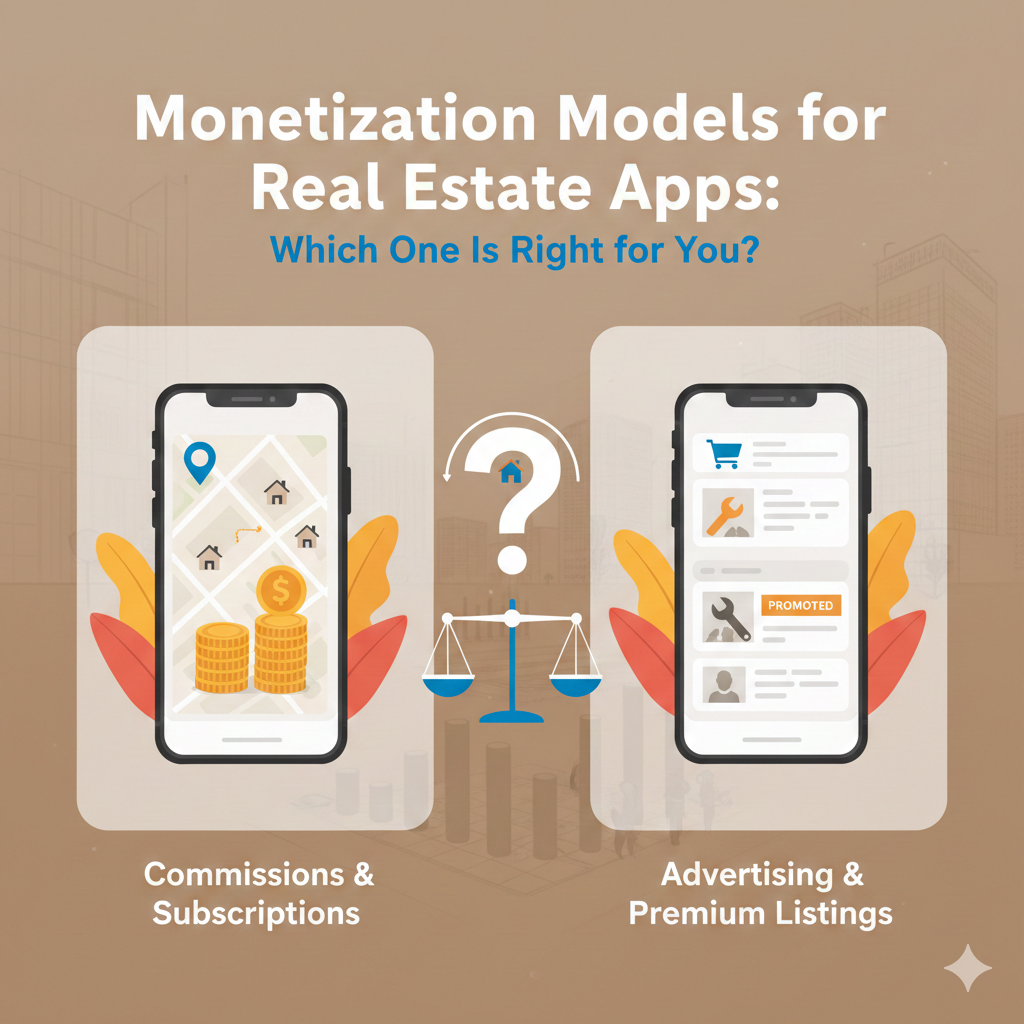
The real estate industry has undergone a massive digital transformation over the past decade, with mobile apps becoming central to how people search for properties, compare listings, and connect with agents. Whether it’s buyers browsing neighborhoods, sellers looking for quick transactions, or investors analyzing potential opportunities, real estate apps have reshaped the user journey. For businesses and entrepreneurs entering this space, building a feature-rich platform is only one part of the strategy—the bigger question is: how do you monetize your real estate app effectively?
With the market becoming increasingly competitive, choosing the right monetization model can determine whether your app thrives or merely survives. The model you select must align with your business goals, audience behavior, and the type of value your app offers. This strategic choice not only influences revenue but also affects user experience and long-term scalability.
In the dynamic landscape of Real Estate App Development, understanding various monetization approaches helps ensure your platform remains both profitable and user-friendly. While some models offer steady long-term income, others can deliver fast, transactional revenue. The key lies in balancing opportunity with practicality.
Freemium Model: Attract First, Convert Later
The freemium model is one of the most popular monetization strategies because it removes barriers to entry. Users can access basic features for free, such as browsing listings or viewing images, but premium features—advanced search filters, virtual tours, early listing access—require payment.
This model works particularly well for startups trying to scale rapidly. By offering value upfront, you create trust and usage patterns. Once users are engaged and see the benefits of premium tools, they are more likely to convert. The challenge, however, lies in defining which features should remain free without diminishing incentives to upgrade.
Subscription Model: Predictable Monthly Revenue
Subscriptions provide steady, recurring revenue and work best for apps that deliver continuous value. Typical subscribers might be real estate agents, property managers, or investors who need ongoing access to specialized features like analytics dashboards, CRM tools, or market forecasts.
From a business perspective, subscriptions create revenue consistency, which improves financial planning and product roadmapping. However, to justify recurring fees, your app must offer high-value, regularly updated features. If users feel stagnation in service quality, churn rates can increase.
Paid Listings and Featured Placements
Paid listings are ideal for apps focusing on property owners, agents, and developers. In this model, sellers or agents pay a fee to list properties on your platform or pay extra to highlight their listings at the top. Featured placements significantly increase visibility, leading to faster inquiries and conversions.
This monetization strategy is widely used because it ties directly to seller outcomes. If sellers consistently enjoy better engagement, they are more likely to continue paying. The model works extremely well for high-traffic real estate apps.
Commission-Based Model
Some real estate apps take a commission on every successful transaction facilitated by the platform. This model works best for apps that are deeply integrated into the buying, selling, or renting process.
However, the commission model requires a high level of trust and transparency. Users must believe that the platform’s involvement adds significant value. For apps that only act as listing directories without transaction management, this model may not be ideal.
Advertising and Partner Promotions
Advertising is often the simplest monetization approach. You can display sponsored ads from lenders, home décor brands, moving companies, insurance providers, or interior designers. Partnerships can provide supplementary income without disrupting the user’s journey—if done correctly.
However, excessive advertising risks cluttering the interface and driving users away. The best approach is to integrate relevant, non-intrusive ads tailored to user behavior. For example, a user viewing rental listings could see ads for renter’s insurance or moving services.
Lead Generation for Real Estate Professionals
Many real estate platforms generate revenue by selling verified leads to agents, brokerages, or developers. Leads might include buyers actively searching for homes, sellers interested in listing their property, or renters looking for move-in options.
This model is particularly profitable for apps with high user activity because each verified lead can be sold at a premium. The key is ensuring that the lead quality remains high; otherwise, agents may lose trust in your platform.
In-App Purchases and Add-Ons
Some real estate apps offer value-add digital products such as detailed neighborhood reports, property valuations, market insights, or legal documentation templates. Users who need specialized information can purchase these add-ons individually without committing to a subscription.
This model works well when the app focuses on investor-driven features or premium data collection tools. It also offers flexibility: users pay only for what they need at any given time.
Choosing the Right Monetization Strategy
Selecting the best monetization model depends largely on your audience and your app’s purpose. For example:
- If you're targeting casual home seekers, freemium or ad-based models work well.
- If your audience is real estate professionals, subscriptions and paid listings offer higher financial stability.
- If your platform has high transaction involvement, a commission-based model can be highly profitable.
Midway through your planning process, it’s essential to align your revenue strategy with the technological capabilities of your platform, ideally supported by modern Real Estate App Development Company that can scale as user demand grows.
Hybrid Monetization Models: The Best of Both Worlds
Many successful real estate apps use hybrid monetization approaches. For example, combining freemium access with paid listings and advertising helps diversify revenue streams while minimizing risk. A multi-layered revenue approach provides stability even if one model underperforms at certain times.
Additionally, hybrid models allow you to reach different segments of users—casual browsers, serious buyers, agents, and property developers—each of whom may respond better to different monetization methods.
Final Thoughts
Monetizing a real estate app requires both strategic planning and a deep understanding of your audience. Whether you choose subscriptions, paid listings, commissions, or hybrid models, the ultimate goal is to deliver value consistently while ensuring your revenue approach remains sustainable over time. As the industry continues to evolve, developers and businesses must stay adaptable—building platforms that not only capture market demand but also offer seamless, user-centric experiences. With the right vision and technology in place, your real estate app can become a powerful gateway to long-term success in today’s digital property marketplace, supported by scalable Real Estate Software Development Solutions.
Share this post
Naijanetwork Forum Statistics
Threads: 38005,
Posts: 47606,
Members: 35543