





How Fintech Apps Are Driving Financial Inclusion Worldwide
 aartijangid
Posts: 64
aartijangid
Posts: 64
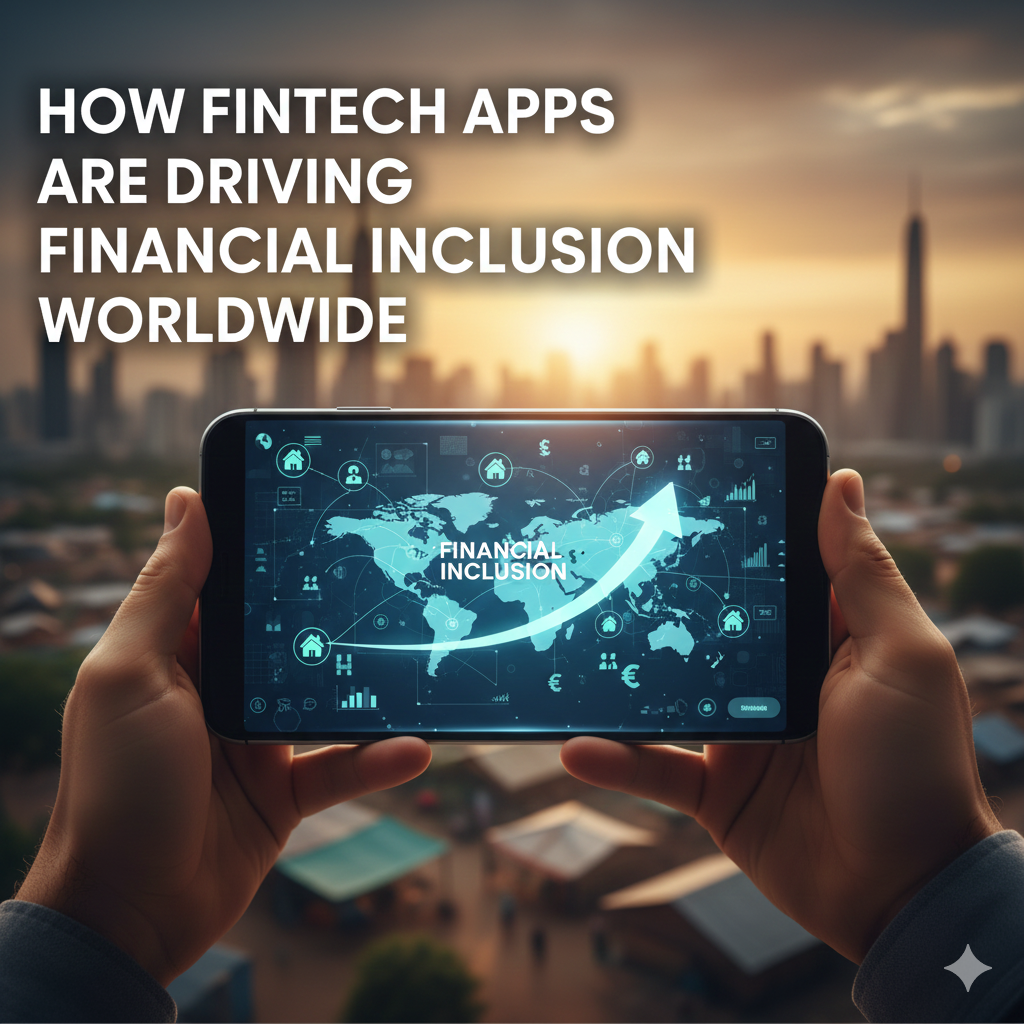
Financial inclusion—the ability for individuals and businesses to access useful and affordable financial products and services—has become a global priority. Millions of people around the world remain unbanked or underbanked due to geographical barriers, high costs, lack of documentation, or limited financial literacy. In recent years, fintech apps have emerged as powerful tools in addressing these challenges. By leveraging mobile technology, digital infrastructure, and innovative business models, fintech apps are transforming how people access and use financial services, bringing millions into the formal financial system.
Understanding Financial Inclusion and Its Challenges
Traditional banking systems have long struggled to serve populations in remote or economically disadvantaged regions. Physical bank branches are expensive to operate, and strict documentation requirements often exclude individuals without formal identification or stable income. Additionally, high fees and minimum balance requirements discourage low-income users from opening and maintaining accounts.
These barriers have created a significant financial gap, particularly in developing economies. Financial exclusion limits opportunities for savings, credit, insurance, and secure transactions, ultimately restricting economic growth and individual empowerment. Fintech apps are stepping in to bridge this gap by offering accessible, low-cost, and user-friendly alternatives.
Mobile Technology as a Gateway to Finance
One of the most impactful aspects of fintech apps is their reliance on mobile technology. Smartphones and basic internet connectivity are far more widespread than traditional banking infrastructure. Fintech apps capitalize on this reach by delivering financial services directly to users’ devices.
Mobile wallets, digital payment apps, and app-based banking solutions allow users to store money, make payments, and receive funds without needing a physical bank account. For people in rural or underserved areas, this mobile-first approach eliminates distance and accessibility barriers, making financial participation possible for the first time.
Simplifying Account Access and Onboarding
Fintech apps are redefining how people open and manage financial accounts. Digital onboarding processes reduce paperwork and eliminate the need for in-person visits. Features such as eKYC, biometric verification, and digital identity checks make it easier for users to get started quickly and securely.
This streamlined onboarding is particularly beneficial for populations with limited access to formal documentation. By lowering entry barriers, fintech apps encourage broader participation in financial systems and help users transition from informal to formal financial activities.
Affordable and Transparent Financial Services
Cost is a major factor in financial exclusion. Traditional financial services often come with fees that are unaffordable for low-income users. Fintech apps address this issue by offering low-cost or even free basic services.
Transparent pricing models, minimal transaction fees, and clear terms help users understand exactly what they are paying for. This affordability makes it feasible for individuals to save money, transfer funds, and manage finances without fear of hidden costs, fostering trust and long-term usage.
Expanding Access to Credit and Lending
Access to credit is a critical component of financial inclusion. Many individuals and small businesses are excluded from traditional lending due to lack of credit history or collateral. Fintech apps are changing this by using alternative data sources such as transaction history, mobile usage, and behavioral patterns to assess creditworthiness.
Digital lending platforms provide microloans, short-term credit, and flexible repayment options tailored to users’ financial realities. This access to credit empowers entrepreneurs, supports small businesses, and helps individuals manage emergencies, contributing to economic resilience.
Promoting Savings and Financial Literacy
Fintech apps are not just about transactions; they also play a key role in encouraging savings and improving financial literacy. Many apps include features such as goal-based savings, automated deposits, and spending insights that help users build better financial habits.
Educational content, in-app tips, and simplified financial tools make complex concepts more accessible. By improving financial literacy, fintech apps enable users to make informed decisions, plan for the future, and reduce financial vulnerability.
Enabling Cross-Border and Remittance Services
For millions of migrant workers and their families, remittances are a vital source of income. Traditional remittance services are often slow and expensive. Fintech apps offer faster, more affordable cross-border payment solutions that significantly reduce transfer costs.
These digital remittance services ensure that more money reaches recipients, improving household incomes and supporting local economies. By making international transfers more accessible, fintech apps strengthen global financial connectivity.
Supporting Small Businesses and the Informal Economy
Small businesses and informal workers are among the most financially excluded groups worldwide. Fintech apps provide tools such as digital payments, invoicing, expense tracking, and access to working capital that help these businesses grow.
By enabling small enterprises to accept digital payments and build transaction histories, fintech apps help them establish financial identities. This, in turn, opens doors to credit, insurance, and other financial services, fostering inclusive economic growth.
Enhancing Security and Trust
Security concerns often deter people from using financial services. Fintech apps invest heavily in encryption, authentication, and fraud prevention to protect user data and transactions. Features such as biometric login, real-time alerts, and transaction monitoring build confidence among users.
Trust is essential for financial inclusion, and fintech apps that prioritize security and reliability are more likely to gain adoption among first-time users and vulnerable populations.
The Role of Innovation and Technology
Innovation lies at the heart of fintech’s impact on financial inclusion. Technologies such as AI, machine learning, and blockchain enable more efficient, secure, and personalized financial services. These technologies allow fintech apps to scale rapidly and adapt to diverse user needs across different regions.
Behind successful platforms is strategic fintech app development that aligns technology with user needs and regulatory requirements. Collaborating with an experienced fintech app development company ensures that solutions are scalable, compliant, and capable of reaching underserved populations effectively.
Conclusion
Fintech apps are playing a transformative role in driving financial inclusion worldwide. By leveraging mobile technology, reducing costs, expanding access to credit, and promoting financial literacy, they are breaking down long-standing barriers to financial participation. These digital solutions empower individuals, support small businesses, and contribute to broader economic development.
As fintech continues to evolve, its potential to create a more inclusive financial ecosystem will only grow. By focusing on accessibility, trust, and innovation, fintech apps are not just changing how people manage money—they are reshaping the global financial landscape to be more equitable and inclusive for all.
Share this post
Naijanetwork Forum Statistics
Threads: 38005,
Posts: 47606,
Members: 35579