





Why Do Black Women Wear Wigs?

You're walking down the street and see a Black woman with a cascade of long, straight blonde hair. Three days later, you see her again, this time with fiery red, wavy hair reaching her waist. A week later, she's sporting a neat, short black bob.
A question might pop into your mind: "Why?"
As a Black woman who wears wigs, my wig box holds the answer—it's not a single reason, but a multi-faceted story about choice, freedom, and practicality.
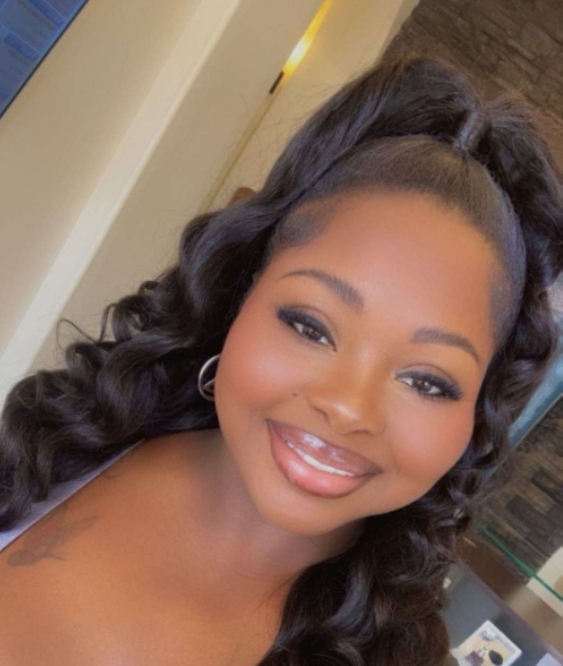
Chapter One: The Wisdom of Hair Care
For many Black women, our natural hair (from tightly coiled curls to soft waves) is beautiful but delicate. A complete "wash day" can easily take up half a day off.
Modern designs like glueless wigs are a genius invention. I can tightly braid my own hair, secure it with a hairnet, and then, with a snap and a flick, have a brand-new hairstyle in minutes. Wigs become "armor" for my natural hair, allowing it to rest and recover. I often say, "My hair is on vacation, while I'm working with someone else's hair." This convenience provides a much-needed respite in our busy lives.
Chapter Two: Instant Transformation and Endless Play
Today I want to be a fairytale princess, tomorrow I want to emulate a supermodel from a magazine. Wigs make all of this possible, without any commitment.
We've been taught since childhood that our hair is our "crown." But wigs give us countless "crowns" that we can change at any time. It's a harmless form of cosplay. I can be blonde, I can be silver-grey—these bold colors would be disastrously damaging if applied directly to my own hair. But with wigs, I can have sophisticated dark brown straight hair before walking into a meeting at 3 PM, and then have alluring purple curls at an 8 PM party. Hair becomes a fluid barometer of my mood.
Chapter Three: Beyond Aesthetics, About Survival and Dignity
This chapter is the most serious, and the most important. For many Black women who experience hair loss due to illness, medication, or extreme stress, wigs are not an accessory, but a necessity. In a socio-cultural context that links thick hair with health, vitality, and even morality, losing hair can mean losing a part of one's social identity. A suitable wig can help them regain the rhythm of daily life and regain control over their self-image. In this sense, the wig is armor, a shield, and a bridge to a "normal" life.
Chapter Four: My Wig Diary – Three Wigs, Three Selves
My wig stand is my emotional wardrobe. That kinky curly V part wig is my "battle attire." It has a realistic V-shaped parting at the roots, revealing lace that looks like real scalp, with wild and confident curls. When I need to attend meetings or give important presentations, wearing it gives me an unassailable professional aura.
The kinky straight half wig is my "comfort zone." It only covers the back half of my hair, allowing my own hair to show naturally at the forehead and sides, creating a seamless blend. For quick trips to the supermarket or picking up packages, I can just put it on effortlessly and naturally, without any burden.
And the various styles and colors of glueless wigs constitute my playground for experimentation. They allow me to find the perfect balance between "protecting my hair" and "experimenting freely."
Final Chapter: The Legacy and Freedom of the Head
The history of wigs is long and rich among the African diaspora. In modern times, it has been a core element of Black popular culture and self-expression.
Today, wigs have transformed from a "secret" into a publicly shared skill and source of pride. So, the next time you see a Black woman changing her hairstyle, please see more than just hair.
You might be seeing a scientist protecting her precious research time; an artist changing her creative canvas; a fighter wearing her badge of recovery.
You are seeing a wisdom passed down through generations: creating infinite possibilities for oneself in a limited world.
Beneath that beautiful hair is not just a scalp, but a woman's free head, deciding how to face the world.
A question might pop into your mind: "Why?"
As a Black woman who wears wigs, my wig box holds the answer—it's not a single reason, but a multi-faceted story about choice, freedom, and practicality.
Chapter One: The Wisdom of Hair Care
For many Black women, our natural hair (from tightly coiled curls to soft waves) is beautiful but delicate. A complete "wash day" can easily take up half a day off.
Modern designs like glueless wigs are a genius invention. I can tightly braid my own hair, secure it with a hairnet, and then, with a snap and a flick, have a brand-new hairstyle in minutes. Wigs become "armor" for my natural hair, allowing it to rest and recover. I often say, "My hair is on vacation, while I'm working with someone else's hair." This convenience provides a much-needed respite in our busy lives.
Chapter Two: Instant Transformation and Endless Play
Today I want to be a fairytale princess, tomorrow I want to emulate a supermodel from a magazine. Wigs make all of this possible, without any commitment.
We've been taught since childhood that our hair is our "crown." But wigs give us countless "crowns" that we can change at any time. It's a harmless form of cosplay. I can be blonde, I can be silver-grey—these bold colors would be disastrously damaging if applied directly to my own hair. But with wigs, I can have sophisticated dark brown straight hair before walking into a meeting at 3 PM, and then have alluring purple curls at an 8 PM party. Hair becomes a fluid barometer of my mood.
Chapter Three: Beyond Aesthetics, About Survival and Dignity
This chapter is the most serious, and the most important. For many Black women who experience hair loss due to illness, medication, or extreme stress, wigs are not an accessory, but a necessity. In a socio-cultural context that links thick hair with health, vitality, and even morality, losing hair can mean losing a part of one's social identity. A suitable wig can help them regain the rhythm of daily life and regain control over their self-image. In this sense, the wig is armor, a shield, and a bridge to a "normal" life.
Chapter Four: My Wig Diary – Three Wigs, Three Selves
My wig stand is my emotional wardrobe. That kinky curly V part wig is my "battle attire." It has a realistic V-shaped parting at the roots, revealing lace that looks like real scalp, with wild and confident curls. When I need to attend meetings or give important presentations, wearing it gives me an unassailable professional aura.
The kinky straight half wig is my "comfort zone." It only covers the back half of my hair, allowing my own hair to show naturally at the forehead and sides, creating a seamless blend. For quick trips to the supermarket or picking up packages, I can just put it on effortlessly and naturally, without any burden.
And the various styles and colors of glueless wigs constitute my playground for experimentation. They allow me to find the perfect balance between "protecting my hair" and "experimenting freely."
Final Chapter: The Legacy and Freedom of the Head
The history of wigs is long and rich among the African diaspora. In modern times, it has been a core element of Black popular culture and self-expression.
Today, wigs have transformed from a "secret" into a publicly shared skill and source of pride. So, the next time you see a Black woman changing her hairstyle, please see more than just hair.
You might be seeing a scientist protecting her precious research time; an artist changing her creative canvas; a fighter wearing her badge of recovery.
You are seeing a wisdom passed down through generations: creating infinite possibilities for oneself in a limited world.
Beneath that beautiful hair is not just a scalp, but a woman's free head, deciding how to face the world.
Share this post
Naijanetwork Forum Statistics
Threads: 38005,
Posts: 47606,
Members: 35627