





Can Human Hair Wigs Age Faster Than You?

Many people buy human hair wigs with the assumption that expensive equals durable. I was no exception.
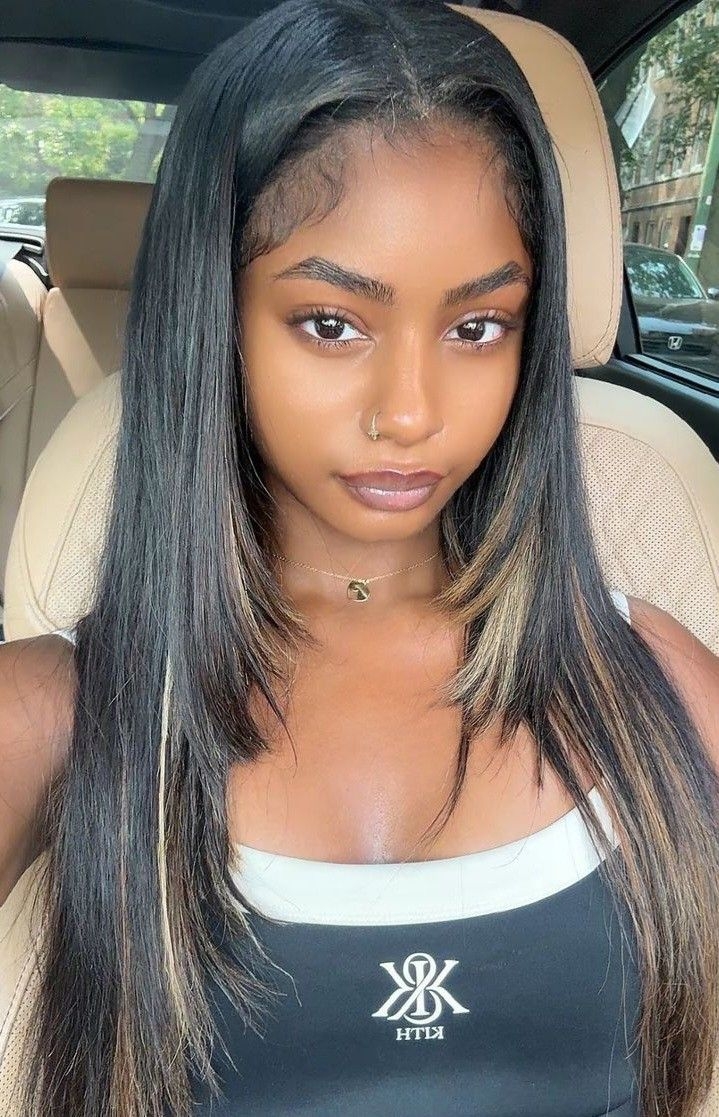
My first expensive human hair half wig was almost a "long-term investment." For the first three months, it was in great condition—smooth, shiny, and with defined curls. But after six months, the ends started to dry out and lost their initial elasticity.
It felt like suddenly realizing it was "aging." I began to reflect on my usage habits. I was exposed to the sun every day during my commute, occasionally used a curling iron, and wore it even during weekend outdoor activities. Once separated from the scalp, human hair lacks the nourishment of natural oils and the ability to repair itself. Exposed to UV rays, dust, and air conditioning fumes, it slowly oxidized.
Once, I compared two wigs side-by-side, and the color showed a subtle change. The older human hair wig had a warmer tone and a duller shine.
After that, I changed my habits. I reduced the frequency of using high-temperature tools, wore a hat for sun protection, and used more nourishing hair care products. But I also accepted the reality—human hair doesn't stay young forever.
This gave me a new understanding of "durability." Durability isn't about remaining unchanged, but about slow change. Just like clothes pill and leather shoes crease.
Later, when buying wigs, I valued what suited my lifestyle more than simply the price. The lifespan of a wig largely depends on how you treat it.
My first expensive human hair half wig was almost a "long-term investment." For the first three months, it was in great condition—smooth, shiny, and with defined curls. But after six months, the ends started to dry out and lost their initial elasticity.
It felt like suddenly realizing it was "aging." I began to reflect on my usage habits. I was exposed to the sun every day during my commute, occasionally used a curling iron, and wore it even during weekend outdoor activities. Once separated from the scalp, human hair lacks the nourishment of natural oils and the ability to repair itself. Exposed to UV rays, dust, and air conditioning fumes, it slowly oxidized.
Once, I compared two wigs side-by-side, and the color showed a subtle change. The older human hair wig had a warmer tone and a duller shine.
After that, I changed my habits. I reduced the frequency of using high-temperature tools, wore a hat for sun protection, and used more nourishing hair care products. But I also accepted the reality—human hair doesn't stay young forever.
This gave me a new understanding of "durability." Durability isn't about remaining unchanged, but about slow change. Just like clothes pill and leather shoes crease.
Later, when buying wigs, I valued what suited my lifestyle more than simply the price. The lifespan of a wig largely depends on how you treat it.
Share this post
Naijanetwork Forum Statistics
Threads: 38005,
Posts: 47606,
Members: 35552